How QR Codes Quietly Took Over Everything
In 1994, a Japanese company called Denso Wave invented QR codes to track vehicle parts during manufacturing. The technology worked well for factories, but nobody expected it to matter much beyond industrial applications. For nearly two decades, that prediction held true.
Then the pandemic happened, and suddenly QR codes were everywhere.
The Restaurant Revolution
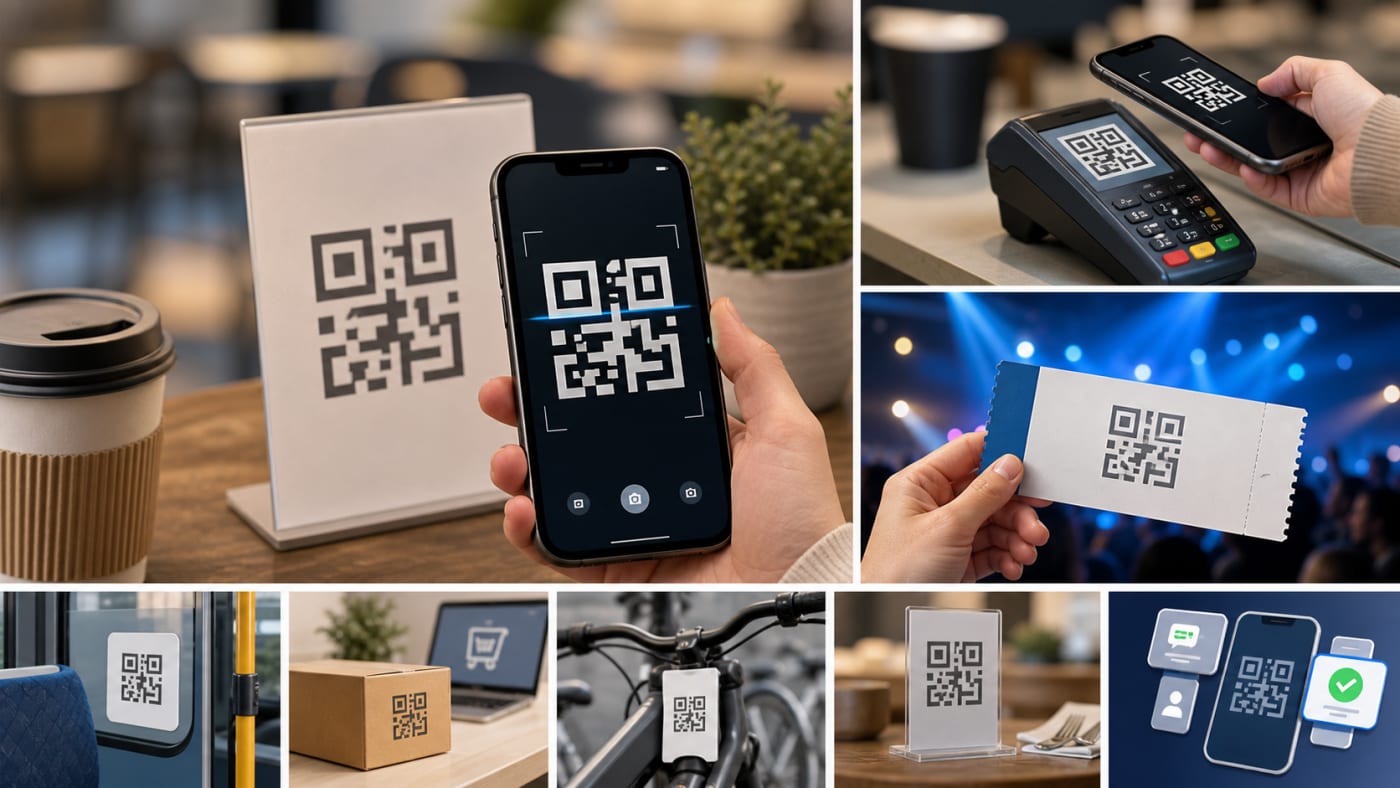
Remember when restaurants handed you a physical menu? That felt unsafe in 2020, so establishments scrambled for alternatives. QR codes on table tents became the obvious solution. Scan the code, see the menu on your phone. No touching shared objects, no printing costs when prices change.
What started as a safety measure stuck around because it solved real problems. Restaurants could update menus instantly, add photos of dishes, and even integrate ordering and payment. The customer experience improved too, once people got used to it.
Beyond Menus
Payments transformed even faster. In China, QR code payments had been mainstream for years through WeChat and Alipay. The rest of the world caught up during the pandemic when handling cash felt risky. Now QR payments are standard at farmer's markets, food trucks, and small shops that couldn't afford traditional card terminals.
Event tickets went digital too. That paper ticket you used to print at home or pick up at will-call? It's often just a QR code on your phone now. Concert venues, airlines, and movie theaters all made the switch.
Creating Your Own
Generating QR codes used to require special software. Now it takes seconds. Our QR Code Generator creates codes for websites, contact information, WiFi networks, or any text you want to encode.
The technology is beautifully simple. The black and white pattern encodes data that any smartphone camera can read. Unlike barcodes, QR codes work even if partially damaged because they include error correction built into the pattern.
Privacy Considerations
This convenience comes with tradeoffs. When you scan a QR code, the destination site can often track that you scanned it, where you were, and when. Some codes redirect through tracking services before reaching the final destination.
For your own QR codes, think about what data you're encoding. A code linking directly to your website is fine. A code containing personal information should be used carefully, since anyone with a smartphone can read it.
What Comes Next
The technology will likely become invisible. Some phones already show QR code information automatically when you point the camera, no app needed. Augmented reality glasses could display QR data without any conscious scanning at all.
What seemed like a niche factory tool became essential infrastructure almost overnight. That's the thing about useful technology: sometimes it just needs the right moment to click.
Tags
